MMSF Recipient
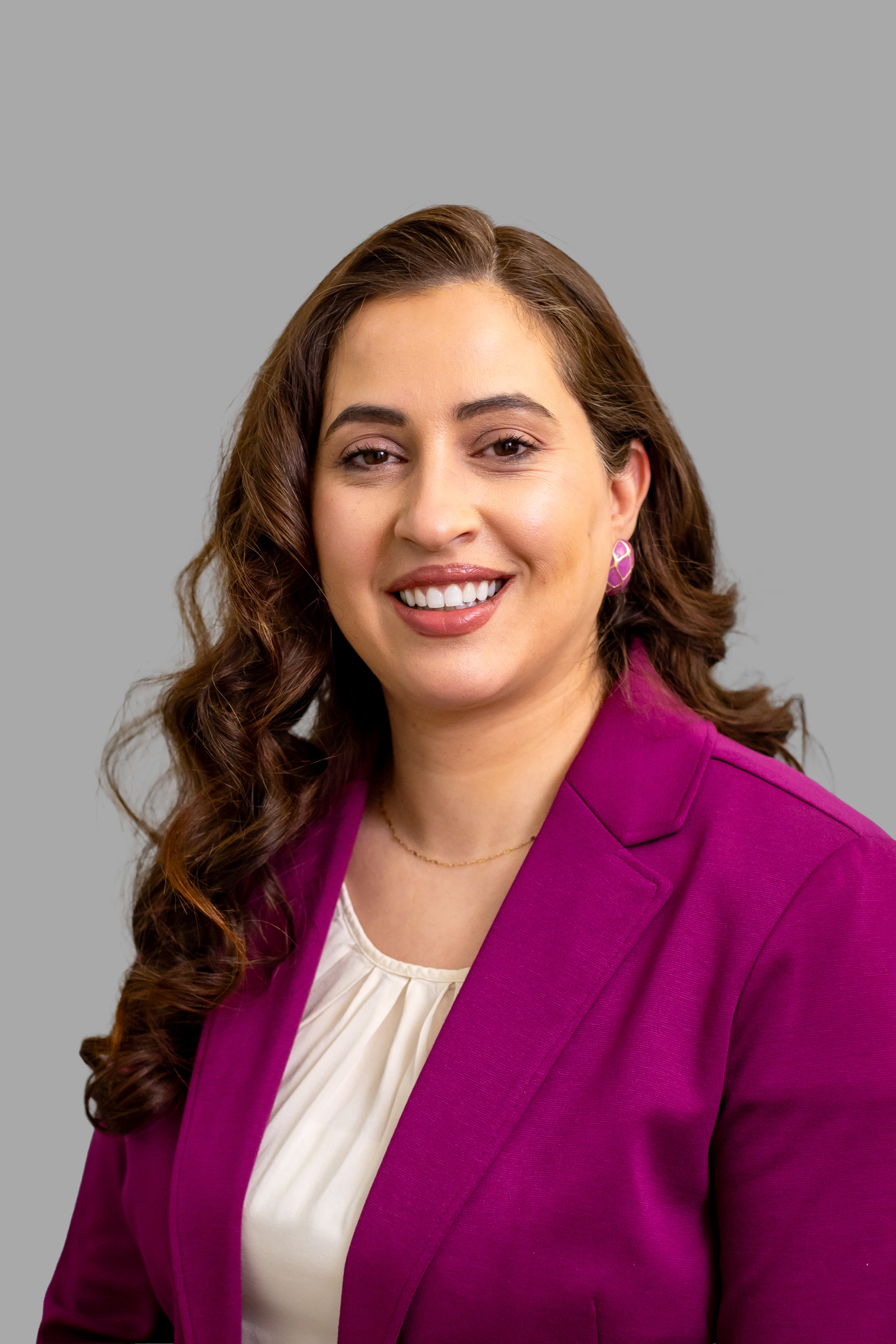
Dr. Amani Hamad
Familial Associations in Childhood Mood and Anxiety Disorders and the Role of Poverty
One in five children in Canada lives with a mental disorder. Mood and anxiety disorders, such as depression and anxiety, are the most common. Both genetics and environmental factors, such as poverty, contribute to developing a mental disorder. Some genetic and environmental risk factors are shared within families, explaining why mental disorders run in families. In this large study, we will examine how mood and anxiety disorders are passed down by parents and how much poverty contributes to these risks.
We will use comprehensive health and social data collection in Manitoba, one of the few data collections worldwide that link children to both parents for almost the entire population. We will include all children born in Manitoba from 1995 to 2005 and link them to their parents. We will identify mood and anxiety disorder diagnoses from hospitalizations, physician visits and prescription records.
We will measure poverty by whether a family received income assistance from the provincial Employment and Income Assistance Program. We will estimate the likelihood of a child developing a mood and anxiety disorder if a parent had the disorder and assess how much of that risk is explained by poverty. We will also compare these risks between male and female children.
This research will untangle some of the complex relationships between genetic and environmental influences in childhood mood and anxiety disorders. It will identify opportunities for interventions to reduce children’s risks and improve their mental health outcomes.
